

How to help your children feel they belong after separation.
"This is my Place"
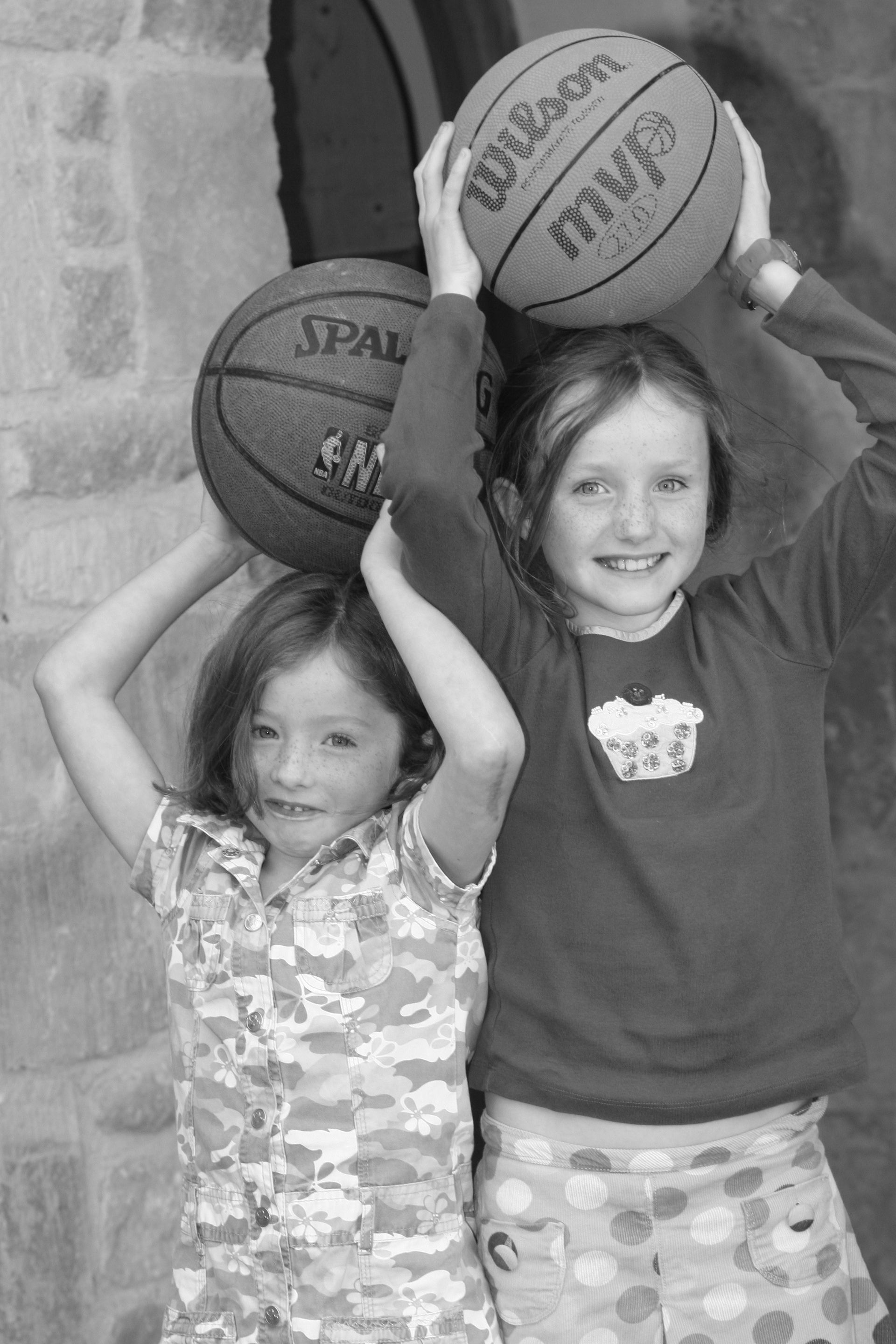
Belonging in a Separated Family: Helping Children Feel “This Is My Place” in Two Homes
This year’s Children's Mental Health Week theme, “This is My Place’’ is about the importance of belonging.
Every child deserves to feel that they belong. They deserve to feel connected and valued in a safe place where they can be happy, relaxed, loved and feel free to be themselves.
Feeling ‘This is my Place’ is never more important than when parents separate, and children need to transition and adjust to a new family life, often between two homes.
Knowing that change can feel unsettling and stressful, the question for parents is, what can we do to help our children feel secure, heard and that they belong?
No matter where you are in the process, getting curious about how each of your children experiences family separation is a great place to start. We can ask ourselves: how do all the adjustments and changes feel to my unique child, given their temperament and their age or stage of development?
Curiosity is a parenting superpower.
It’s reassuring to remember that children don’t need us to be perfect and that everything doesn’t need to be the same in both homes. It’s helpful if you and your co-parent can work together so that your homes reflect your shared co-parenting values. But if that's not possible, it's consistency, predictability and reliability that are most important to our children, even if that consistency takes place in one home.
When we do our best to understand our children's needs and help them feel safe, seen, and understood, children of divorce can thrive. Belonging is about feeling valued, included and respected. Hard as it may feel, it’s our responsibility to do what we can to keep things as calm and cooperative as possible in our relationship with our co-parent – not perfect, but good enough and always child-focused.
When belonging feels wobbly after separation
Separation brings change, and change can feel hard for children. Each child experiences and learns to manage change in their own unique way. You may have a son who is temperamentally flexible, and change doesn’t faze him quite so much, but for your daughter, who thrives on predictability and regularity, all this change feels very hard.
Our children often show how they’re coping through their behaviour – they might become clingier, withdrawn, or they disengage at school. Others might try very hard to be “good” or keep everyone happy. These reactions are understandable. Often, they’re a child’s way of asking a quiet question: “Am I still okay here? Do I still belong?”
Here are five gentle ways we can support a sense of belonging across two homes
1. Let children know they don’t have to choose
Children worry about loyalty — if they're enjoying time in one home, are they making the other parent sad? They may decide to keep these worries to themselves.
Simple, repeated reassurance helps:
● ‘You belong here, and you belong with Mum too.’
● ‘It’s okay to feel at home in both places.’
● ‘I love hearing about what you get up to when you're at Dads.’
● ‘Have a great time with Dad this week.’
Hearing this regularly helps children relax, adapt to the change and settle into their homes.
2. Create familiar rituals in your own home
Your home doesn’t need to run the same way as the other parent’s. Your home reflects you and your values. What matters is that your child knows what to expect when they’re with you.
This might be:
● A familiar transition ritual when you’re back together
● A predictable mealtime or bedtime routine
● Respectful rules and boundaries in a place where real life happens - homework, chores and screen time limits.
Small, repeated moments of connection help your child feel grounded and safe — feeling safe and secure is the foundation of belonging.
3. Talk about family in a way that includes both homes
Children need help making sense of their family story after separation. The words we use and the stories we tell are important in helping them feel connected.
Try language that keeps things whole:
● ‘You have a home here and a home at Dad’s’
● ‘We both love you and look after you in our own ways.’
● ‘This is just part of how our family works now.’
This reassures children that their family hasn’t disappeared — it’s just changed shape.
A six-year-old boy might say when asked to talk about his family – ‘I have a home with my dad and my cat Fred and a home with my Mum and Ian and my sisters and our dog Angus.’
4. Make space for feelings, especially around changeovers
Moving between homes can bring up lots of feelings, even when things are generally going well. Children always need to know that all feelings are welcome, even when behaviour needs some guidance.
You might notice:
● Sadness before or after transitions
● Irritability or emotional outbursts
● Quiet withdrawal
Naming and accepting these feelings, without rushing to fix them, helps children feel understood and safe to be themselves.
● ‘It’s ok to feel sad about saying goodbye’
● 'I know you miss Mummy when you’re here, and you miss being here when you’re with Mummy. That’s normal.
- ' I can see you're really frustrated. It's hard to keep track of all your things when you move between two homes and all your activities. Let's think about what we can do to help make this a bit easier. '
5. Come back together after tricky moments
It’s important to repair whenever there’s a rupture, as it shows children that relationships can bend without breaking, and that mistakes don’t mean that there’s less love. When we repair, children learn emotional safety, trust, and, over time, how to repair their own relationships. Perhaps a transition is rushed and less than perfect, or perhaps you slip in a derogatory comment about your co-parent to your child. We all make mistakes, and we can take responsibility for that part of us that slipped up.
Repair can be simple:
● 'That felt hard earlier.'
● 'I’m sorry I snapped — Part of me was feeling overwhelmed this morning.'
● 'We’re okay. I love you.'
This teaches children that relationships — and their place in them — are solid and secure, even when things go wrong.
The message children need to hear underneath it all
In separated families, belonging grows when children experience over and over through our words and our actions:
‘This is your home. You are always welcome here.'
'You’re loved in both places.'
'You never need to earn your place - it’s already yours.'
Belonging isn’t created through big gestures or perfect co-parenting. It grows in the everyday moments — in how children are greeted, listened to, reassured, and reconnected with.
When children feel emotionally safe in each home, they carry that sense of belonging with them wherever they go, knowing that even though family life looks different now, their place within it is secure.